Courses in Production
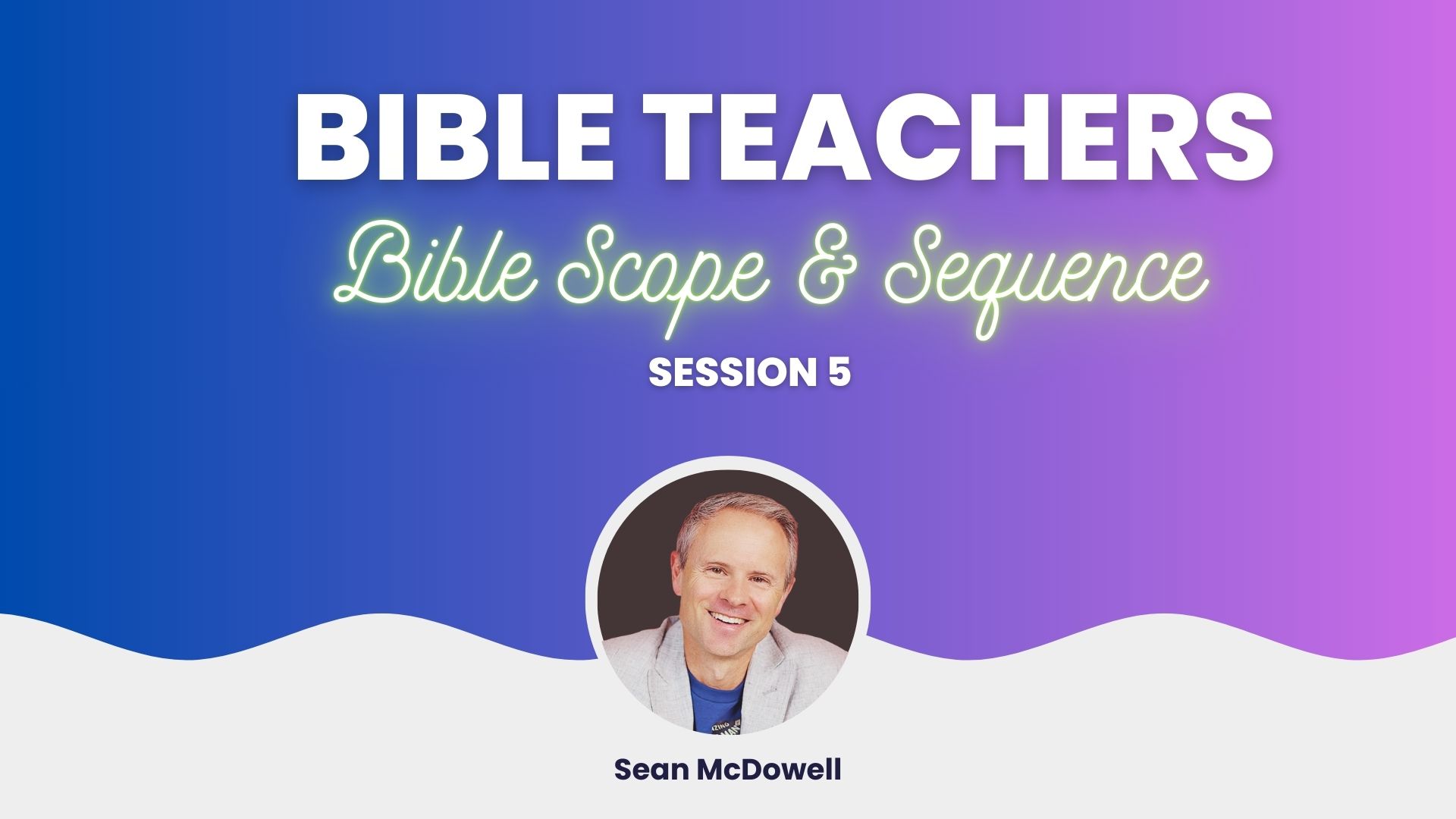
We all want our students to read and understand the Bible, and yet we may lack a practical plan for doing so. In this session of the 2026–27 Bible Teacher Network webinar series, Dr. Sean McDowell provides a practical strategy for a 1–2 week study on a New Testament book, specifically for grades 11–12, but could be adapted for grades 9–10. This course equips Bible teachers to lead students in studying Scripture through an inductive approach that builds independence and critical thinking. Rather than focusing on delivering content, teachers will learn how to guide students in observing, interpreting, and synthesizing the text for themselves. Participants will explore practical strategies for structuring classroom experiences that help students think theologically and philosophically. By the end of the course, teachers will be prepared to create meaningful, student-centered Bible study experiences that increase engagement and confidence.
Course ID: ACSI202651173
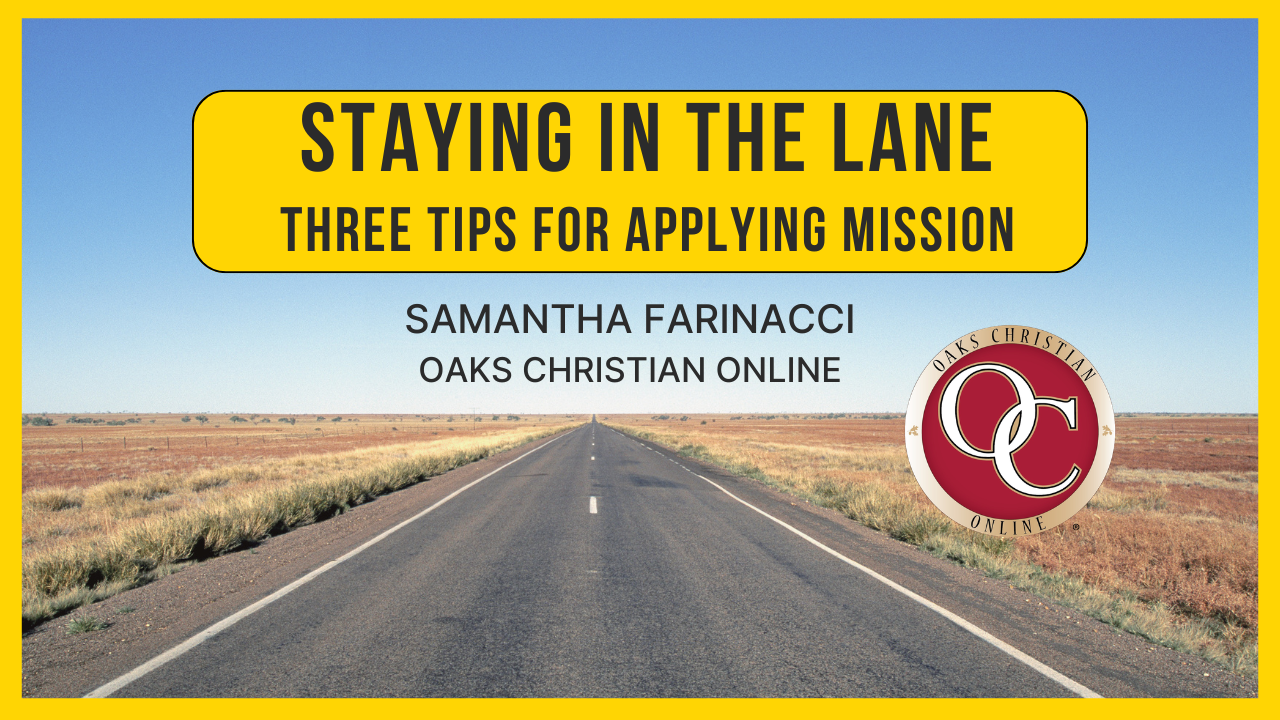
This course equips school leaders with practical, immediately implementable tools to bring their school's mission to life through deeper spiritual formation and theological engagement. Guided by Samantha Farinacci, who oversees Spiritual Life, Student Life, and theological engagement at Oaks Christian Online, you’ll discover practical, fresh ways to strengthen your school’s identity and culture. Designed for heads of school, directors, chaplains, and mission-focused leaders, this course will spark meaningful conversations and actionable next steps for your school community.
Course ID: ACSI20260007
This California-mandated anti-harassment training is led by Philip Scott, Vice President for Legal Affairs, and Jennifer Gonzales, ACSI Senior Human Resource Generalist, of ACSI. Designed for employees in Christian schools, this course explains California and federal harassment laws, reporting responsibilities, and workplace bullying prevention while providing practical guidance for maintaining a respectful, legally compliant, and Christ-centered work environment.
Course ID: ACSI20260002
This California-mandated anti-harassment training is led by Philip Scott, Vice President for Legal Affairs, and Jennifer Gonzales, ACSI Senior Human Resource Generalist, of ACSI. Designed for supervisors in Christian schools, this course explains California and federal harassment laws, reporting responsibilities, and workplace bullying prevention while providing practical guidance for maintaining a respectful, legally compliant, and Christ-centered work environment.
Course ID: ACSI20260001
In this new and revised Christian Philosophy of Education series (2026), multimedia segments present a foundation of teaching from an intentionally Christian perspective. Course 2 Foundations, the second of three courses in this series, clarifies the roles of the home, church, and school in the education of children, examines how Scripture defines the learner and teacher, and explores the purpose of curriculum and its impact on the aims of education. This three-course series fulfills ACSI's Christian Philosophy of Education requirement.
Download Course 2 Syllabus – "Foundations"This course is worth 6 Educational CEUs.
In this new and revised Christian Philosophy of Education series (2026), multimedia segments present a foundation of teaching from an intentionally Christian perspective. Course 3, Biblical Integration, provides a framework for practical analysis and application of integrating biblical truth into the overall curriculum and daily instruction. Courses 1 and 2 are prerequisites to this course for those pursuing the ACSI Philosophy of Christian Education Requirement.
Download Course 3 Syllabus – "Biblical Integration"This course is worth 6 Educational CEUs.
This course equips Christian educators to navigate AI tools with wisdom, discernment, and practical skill. Participants explore ethical guidelines, compare major AI platforms, and practice effective prompting to support teaching and learning. Through hands-on demonstrations with tools such as ChatGPT, Gemini, Canva, and NotebookLM, educators learn to design assignments, maintain academic integrity, and integrate AI within school systems while upholding biblical values and student privacy. This course was curated from a webinar in 2025.
Course ID: ACSI20250017
In this new and revised Christian Philosophy of Education series (2026), multimedia segments present a foundation of teaching from an intentionally Christian perspective. Course 1 Worldview, the first of three courses in this series, defines and explores worldviews, explains a biblical worldview, and describes a philosophy of education from a biblical perspective. This three-course series fulfills ACSI's Christian Philosophy of Education requirement.
Download Course 1 Syllabus – "Worldview"This course is worth 6 Bible CEUs.

This course equips Christian educators to navigate artificial intelligence with biblical wisdom and practical discernment. Through a Christian framework and real-world examples, participants will learn how AI works, how to evaluate tools responsibly, and how to guide students, teachers, and school communities with clarity. Designed for teachers, technology leaders, and administrators seeking confidence and direction in a rapidly changing educational landscape.
Course ID: ACSI20250016
Building Anti-Fragile Faith explores how educators can cultivate faith in students—one that grows stronger through challenge rather than shattering under pressure. Learners will identify how to help young people engage hard questions, confront cultural pressures, and develop resilient, gospel-centered convictions that endure in both school and life. This course was curated from ACSI’s 2025 Public Policy & Advocacy Summit for school leaders.
Course ID: ACSI20250014
In this new and revised Christian Philosophy of Education series (2026), multimedia segments present a foundation of teaching from an intentionally Christian perspective. Course 1 Worldview, the first of three courses in this series, defines and explores worldviews, explains a biblical worldview, and describes a philosophy of education from a biblical perspective. This three-course series fulfills ACSI's Christian Philosophy of Education requirement.
Download Course 1 Syllabus – "Worldview"This course is worth 6 Bible CEUs.

In this new and revised Christian Philosophy of Education series (2026), multimedia segments present a foundation of teaching from an intentionally Christian perspective. Course 2 Foundations, the second of three courses in this series, clarifies the roles of the home, church, and school in the education of children, examines how Scripture defines the learner and teacher, and explores the purpose of curriculum and its impact on the aims of education. This three-course series fulfills ACSI's Christian Philosophy of Education requirement.
Download Course 2 Syllabus – "Foundations"This course is worth 6 Educational CEUs.
This course equips Christian educators to navigate AI tools with wisdom, discernment, and practical skill. Participants explore ethical guidelines, compare major AI platforms, and practice effective prompting to support teaching and learning. Through hands-on demonstrations with tools such as ChatGPT, Gemini, Canva, and NotebookLM, educators learn to design assignments, maintain academic integrity, and integrate AI within school systems while upholding biblical values and student privacy. This course was curated from a webinar in 2025.
Course ID: ACSI20250017
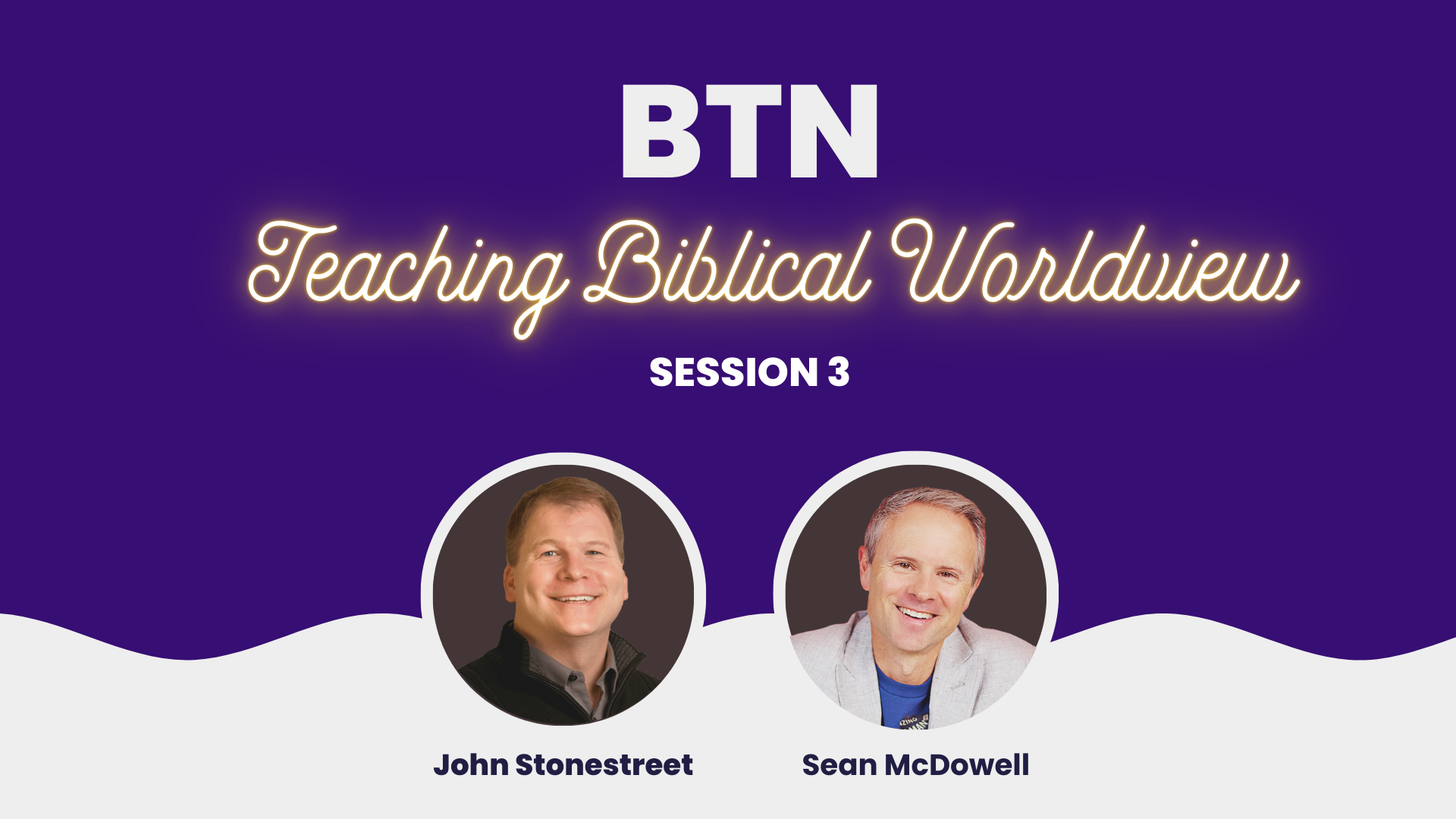
In Session 3 of the 2025 series of Bible Teacher Network webinars, this course equips educators with the tools to intentionally teach from a biblical worldview by exploring how Christian education shapes thinking, values, and identity. Participants will examine key worldview metaphors, life’s ultimate questions, and the role of parents, teachers, and leadership in worldview formation. Through practical strategies and cultural engagement, learners will gain confidence in guiding students to think critically and Christianly about today’s most pressing issues.
Course ID: ACSI20250009
 ECAP Leader Course Card.png
This course equips Christian school leaders with essential training on child protection, exploring governance, policies, and biblical responsibilities. Designed for administrators, board members, and school safety leaders, it offers practical tools to create safe, thriving environments. Presented in partnership with the Evangelical Council for Abuse Prevention (ECAP), this training emphasizes both legal and scriptural foundations for safeguarding children.
CEUs: 3.7 CEUs | Length: 3.7 hours | CEU Type: Educational
Truth does exist and can be known. In “Relativism: Feet Firmly Planted in Mid-Air,” Greg Koukl defines “truth,” shares five fatal flaws of relativism, and explains the dangerous consequences of a world without truth. You’ll learn the crucial difference between objective truth and subjective truth and gain an understanding of how to use tactical questions to respond when people say things like “there is no truth,” “everything’s relative,” or “that’s your truth, not my truth.”
Discover how a shakeup will help you reclaim your class culture, reduce chaos, and develop a calmer classroom environment. In this course Linda Kardamis, Teach 4 the Heart, explains how to plan a shake-up to reset a class, creating a fresh start so teachers can move forward with consistency to create a calmer classroom. Classroom teachers in early education and K–12 in all content areas can benefit from this practical procedure and implement it throughout the year.
Young people are leaving Christianity at an unprecedented rate. In this course, Tim Barnett explains how believers can better understand, relate to, equip, and train our youth. This course looks at why young people are disengaging from the church and encourages Christians to respond with reasonable explanations to challenges and to develop authentic relationships with people. Tim shares what the Bible has to say about passing our faith from one generation to the next and offers five practical ways to help the next generation see that Christianity is the true story of reality. This course is geared toward secondary teachers and those working with high-school and college students, such as youth pastors, spiritual life directors, counselors, and school leaders.
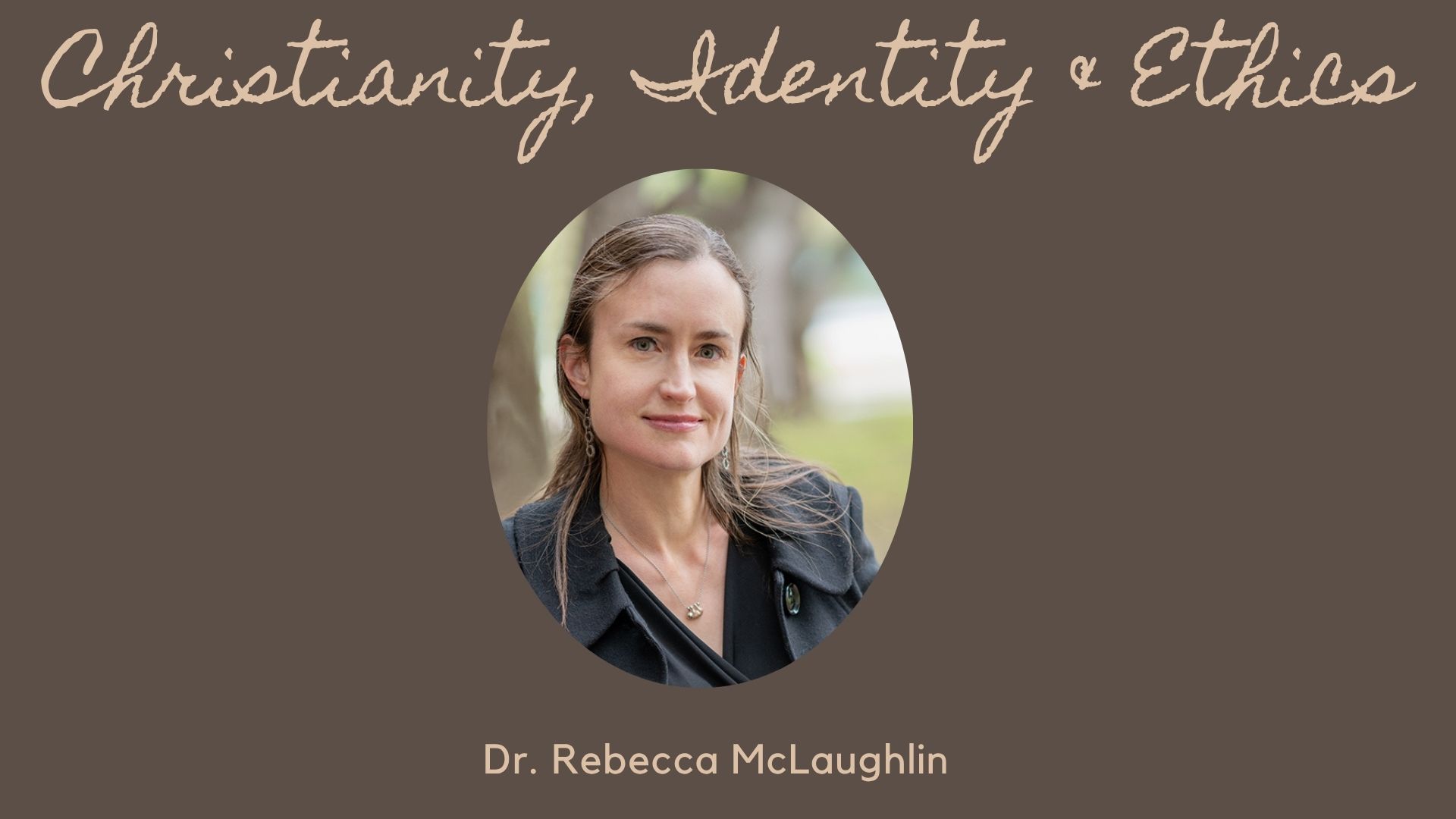
This course explores how Christianity speaks to today’s deepest cultural and personal questions—identity, love, justice, and truth. Learners will examine how the gospel affirms human dignity, challenges prevailing cultural narratives, and redefines meaning and purpose in Christ. Through biblical reflection and cultural analysis, this course equips educators to guide students with clarity, compassion, and conviction in a rapidly changing world. This course was curated from ACSI’s 2025 Public Policy & Advocacy Summit for school leaders.
Course ID: ACSI20250015
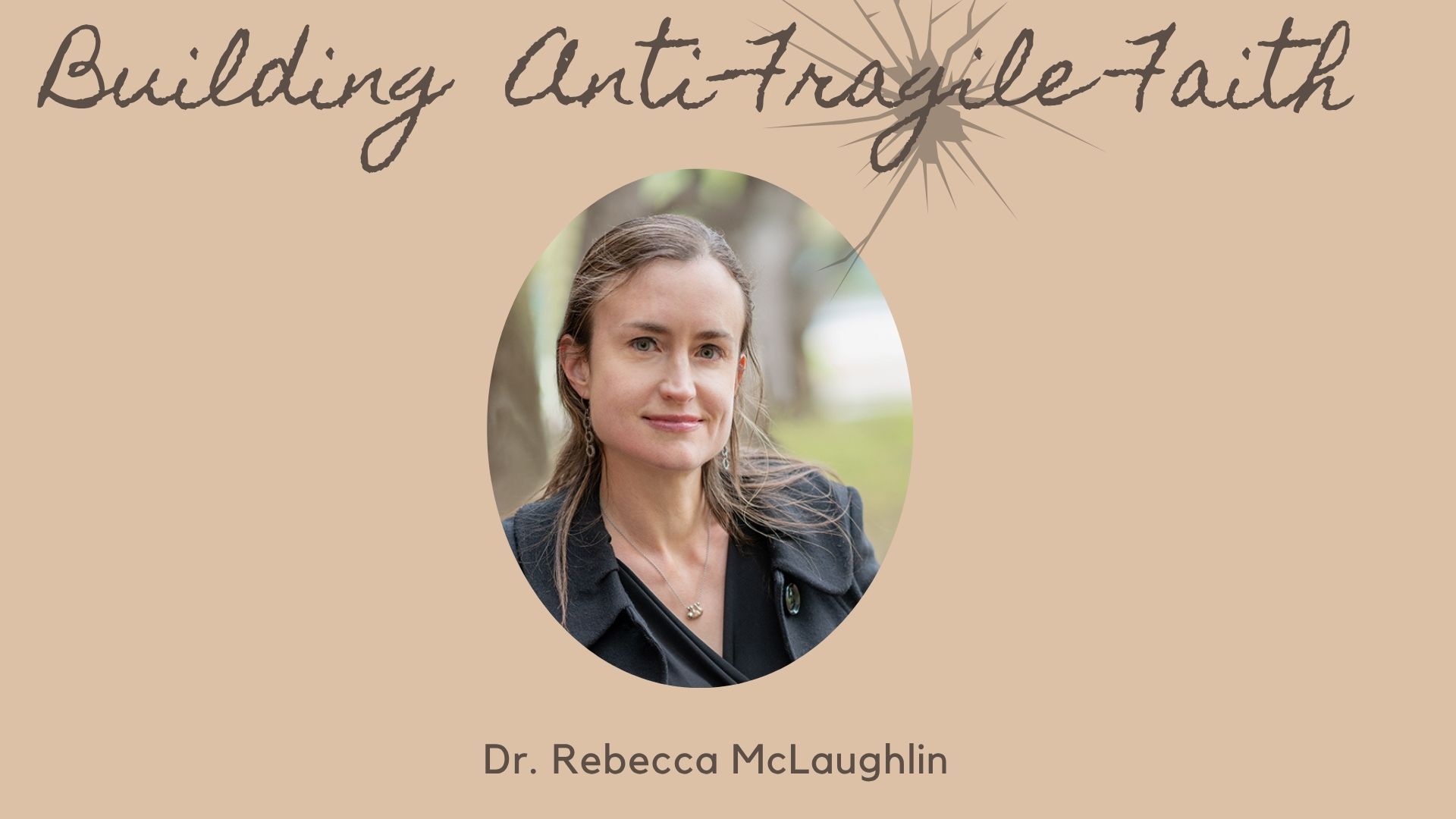
Building Anti-Fragile Faith explores how educators can cultivate faith in students—one that grows stronger through challenge rather than shattering under pressure. Learners will identify how to help young people engage hard questions, confront cultural pressures, and develop resilient, gospel-centered convictions that endure in both school and life. This course was curated from ACSI’s 2025 Public Policy & Advocacy Summit for school leaders.
Course ID: ACSI20250014
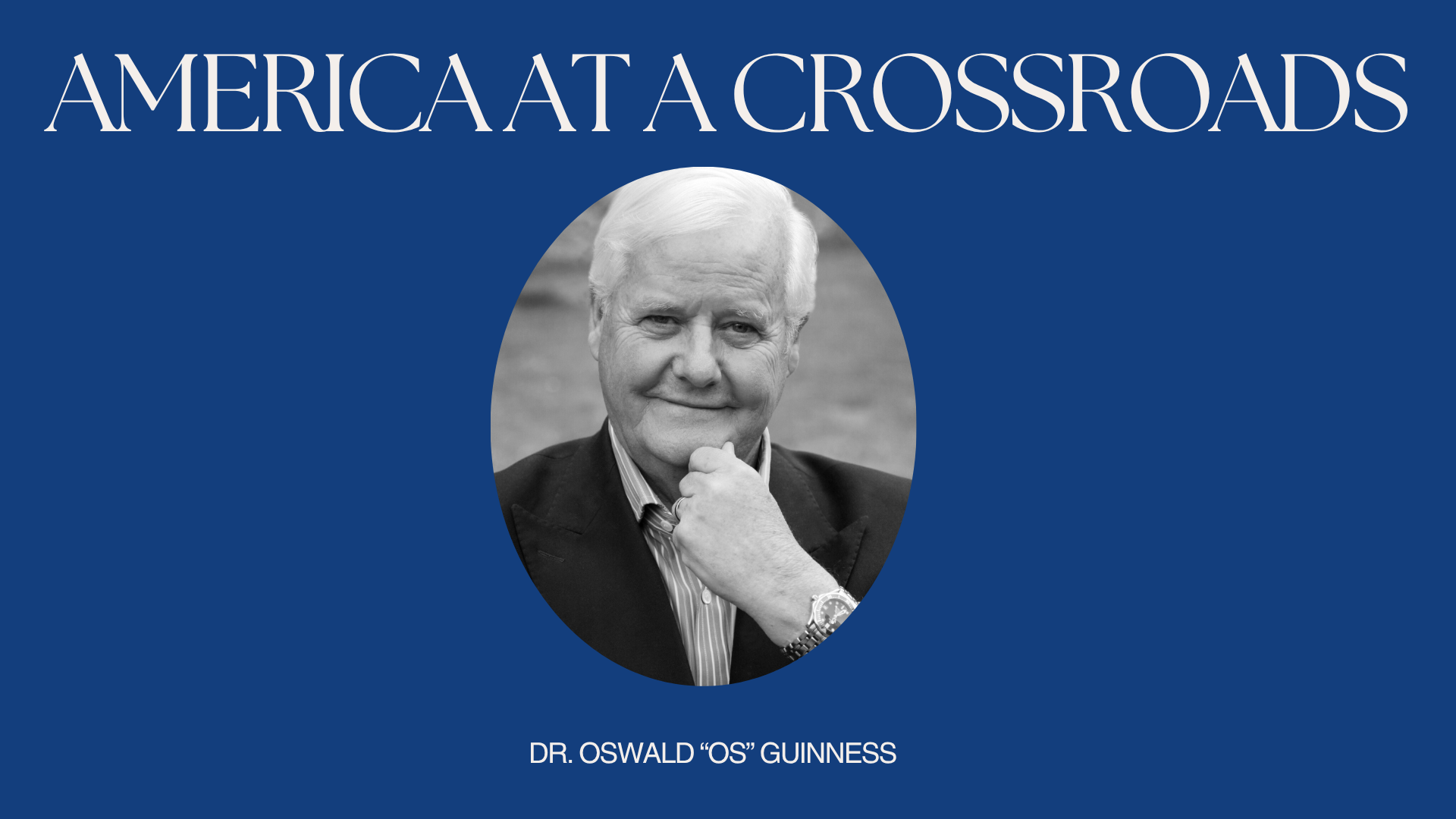
This course examines the pivotal cultural and spiritual moment facing the West, particularly America, through a biblical lens. Learners will explore the erosion of foundational truths, the rise of rival ideologies, and the urgent call for renewal. By engaging history, worldview shifts, and the role of faith in national identity, participants will be challenged to think deeply, live courageously, and respond redemptively in this civilizational crossroads. This course was curated from ACSI’s 2025 Public Policy & Advocacy Summit for school leaders.
Course ID: ACSI20250013
There is perhaps no other claim found in Scripture that’s met with more resistance and scorn from contemporary culture than the exclusive claim “Jesus is the only way.” The world around us says this claim is narrow-minded. It violates the widely accepted principle that all roads lead to heaven. It's offensive! But the question isn’t “Is it offensive?” The question is “Is it true?" In this course, we'll explore that question and many more.
Every student has a unique story and a unique trajectory along the learning continuum. Educators seek a combination of proven and creative solutions to assess student achievement and prepare for the next steps. The Iowa Assessments metrics clearly and concisely represent where a student is at a given point in time and help to establish goals for future points in time. This series will address specific metrics and how they can be used to support varied interpretations.
Comparison information is a key attribute of the Iowa Assessments. National percentile ranks allow educators to make appropriate comparisons at the region, school, and class levels. This course will identify and discuss the metrics that best support the use of norm-referenced interpretations in both mathematics and reading. The emphasis is on maximizing the usefulness of the information.
| Every student has a unique story and a unique trajectory along the learning continuum. Educators seek a combination of proven and creative solutions to assess student achievement and prepare for the next steps. The Iowa Assessments metrics clearly and concisely represent where a student is at a given point in time and help to establish goals for future points in time. This series will address specific metrics and how they can be used to support varied interpretations. Measuring student performance and growth are valid uses of the Iowa Assessments. The standard score directly addresses the challenges of measuring growth while providing stable estimates for goal setting. The Iowa Assessments also provide item-level metrics that help educators gain a better understanding of how students are performing on specific items associated with specific standards. This course will identify and discuss these metrics that best support the use of criterion-referenced interpretations in reading. |
| Every student has a unique story and a unique trajectory along the learning continuum. Educators seek a combination of proven and creative solutions to assess student achievement and prepare for the next steps. The Iowa Assessments metrics clearly and concisely represent where a student is at a given point in time and help to establish goals for future points in time. This series will address specific metrics and how they can be used to support varied interpretations. Measuring student performance and growth are valid uses of the Iowa Assessments. The standard score directly addresses the challenges of measuring growth while providing stable estimates for goal setting. The Iowa Assessments also provide item-level metrics that help educators gain a better understanding of how students are performing on specific items associated with specific standards. This course will identify and discuss these metrics that best support the use of criterion-referenced interpretations in mathematics. |
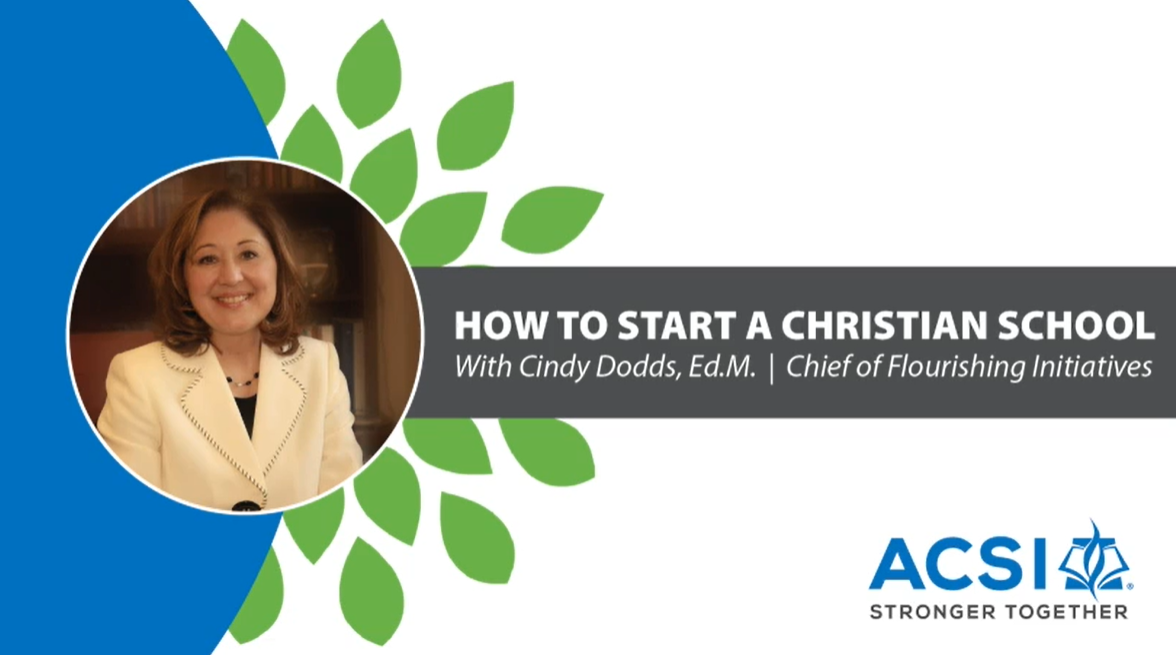
Are you aspiring to start a Christian school? ACSI can help. For more than four decades, ACSI has guided the growth and development of hundreds of Christian schools. This course offers a research-based guide to the protocol for starting a Christian school according to ACSI’s Flourishing framework. It features video content, scriptural applications, measurable steps, actionable items, and additional resources to support you through each phase of your journey.
This course equips Christian early educators with essential knowledge and practices for maintaining safe and healthy environments. Dr. Althea Penn provides training on federal mandates, injury control, emergency preparedness, illness prevention, and child abuse awareness. Designed for teachers, administrators, and caregivers, the course fulfills 4 CEUs and strengthens leadership in safeguarding young children. Disclaimer: This course may or may not be accepted for state licensing requirements. Please check with your state agency before use.
Course ID: ACSI20250012
Come experience the transformative power of music in nurturing social-emotional skills among young children within a Christian educational context. You’ll learn practical approaches to integrate music into daily routines, fostering empathy, resilience, and spiritual growth. Gain insights into leveraging music as a tool to enhance emotional awareness, interpersonal skills, and faith-based values, creating an enriching environment where children can flourish holistically.
Course ID: ACSI202453909